You've taken your first dose, you're a week or two in, and you're probably wondering — is this actually working? The short answer is yes, even if the scale hasn't moved much yet. Here's what's really happening inside your body right now and why the early days matter more than you think.
How the Medication Works
Most modern weight loss medications work by mimicking a hormone called GLP-1, which your body naturally produces after eating. This hormone signals to your brain that you're full, slows down digestion, and helps regulate blood sugar. In the first couple of weeks, your body is adjusting to these new signals — and that adjustment is the foundation for everything that follows.
What You Might Be Feeling
Everyone responds a little differently, but common experiences in weeks one and two include:
- Noticeably reduced appetite — you may feel full faster or forget to eat
- Mild nausea, especially after larger meals
- Changes in digestion — bloating, constipation, or looser stools
- Slight fatigue as your body adapts to eating less
- Fewer cravings, particularly for sugar and processed foods
These side effects are usually temporary and tend to ease as your body settles into the new routine.
Why the Scale Might Not Reflect Your Progress Yet
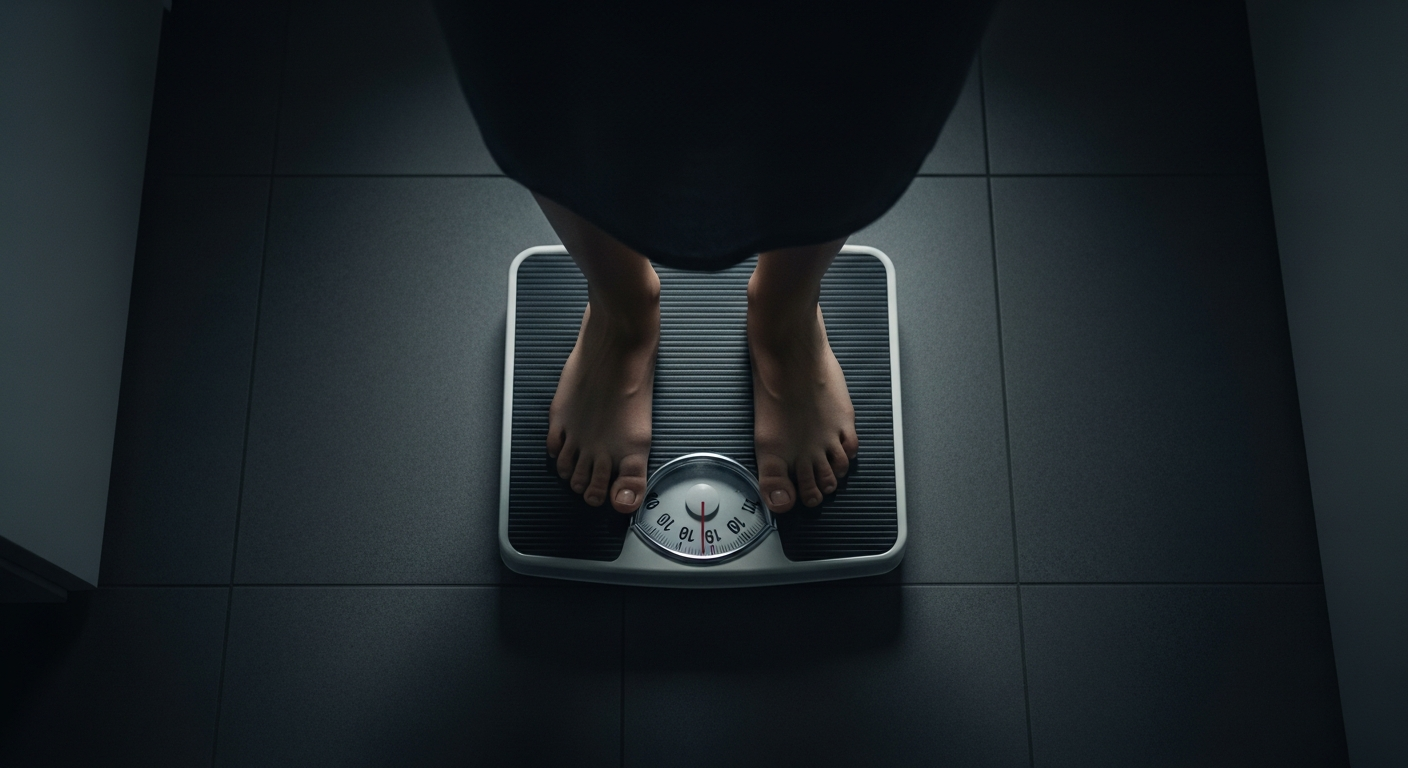
Weight loss isn't always linear, and the first two weeks are often more about internal shifts than dramatic numbers. Your metabolism is recalibrating, your hunger hormones are adjusting, and your body is learning a new normal. Some women see a noticeable drop in the first fortnight, while others don't see significant movement until week three or four. Both are normal.
How to Support Your Body Right Now
The best thing you can do during this adjustment phase is keep things simple:
- Eat small, protein-rich meals to reduce nausea and maintain energy
- Drink at least two litres of water daily
- Avoid heavy, greasy, or overly processed foods
- Move gently — walks, stretching, or light exercise
- Rest when you need to — your body is doing important work
You're in the building phase right now. The changes happening beneath the surface are setting you up for the results you'll start seeing soon. Trust the process — and trust your doctor.