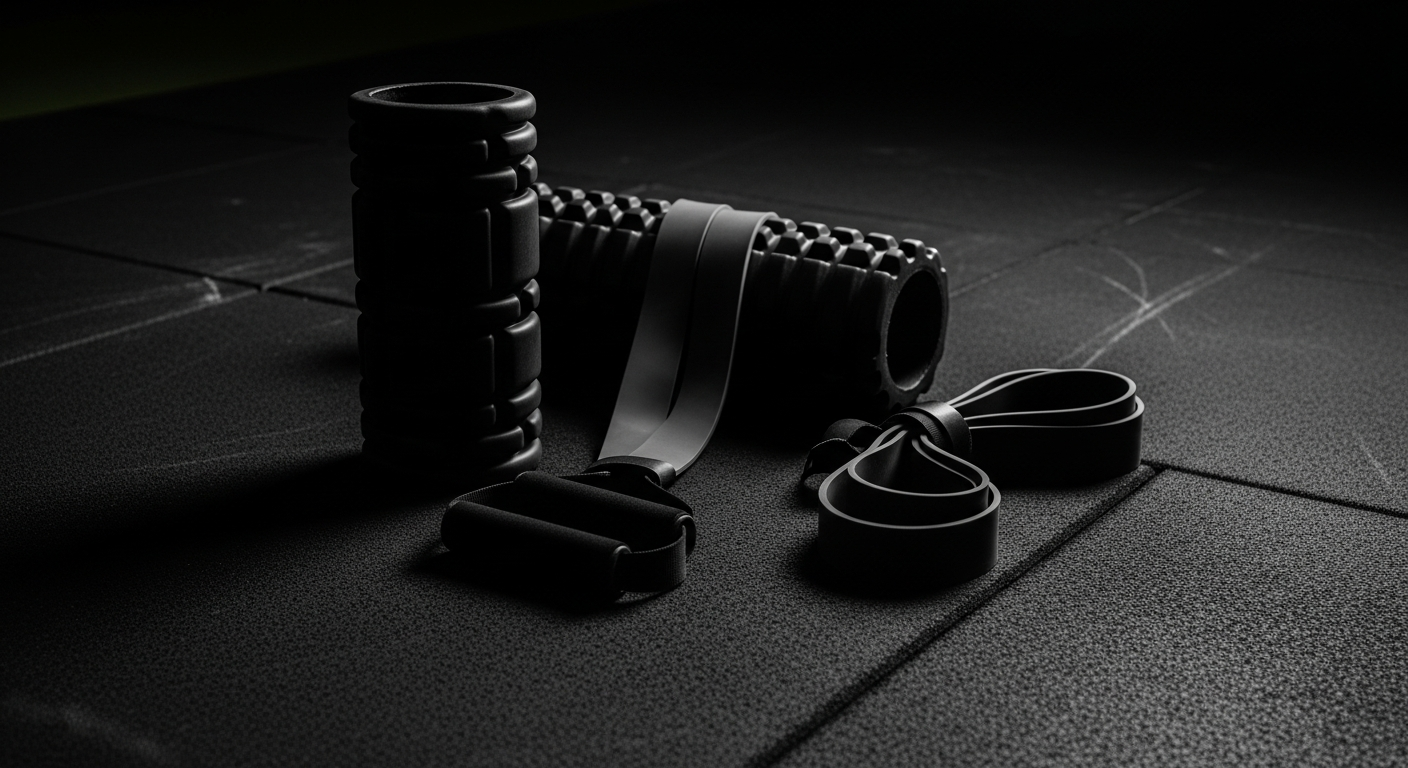
Recovery isn't about choosing between rest and activity, or between eating well and treating yourself. It's about finding the right balance — and when movement, nutrition, and your recovery protocol work together, the results are far greater than any one of them alone.
Movement: The Right Kind, at the Right Time
Movement during recovery might feel counterintuitive, but gentle, purposeful activity is one of the best things you can do for your healing body. The key is knowing what's appropriate for your stage of recovery:
- Early recovery: Gentle walking, breathing exercises, and light stretching
- Mid recovery: Low-impact activities like swimming, yoga, or Pilates
- Later recovery: Gradually reintroducing strength training and higher-intensity movement
- Always: Listen to your body and follow your doctor's guidance
Movement increases blood flow to injured or recovering areas, reduces stiffness, and supports your mental health during what can be a frustrating time.
Nutrition: Fuelling the Repair Process
Your body needs specific nutrients to heal, and what you eat during recovery matters more than you might think. Focus on foods that fight inflammation and support tissue repair:
- Protein at every meal — chicken, fish, eggs, legumes, Greek yoghurt
- Omega-3 fatty acids — salmon, sardines, walnuts, chia seeds
- Collagen-rich foods — bone broth, slow-cooked meats
- Antioxidant-rich vegetables — berries, leafy greens, sweet potato
- Adequate hydration — at least two litres of water daily
How Your Treatment Ties It All Together
Your recovery protocol is designed to work at the cellular level — accelerating repair, reducing inflammation, and supporting your body's natural healing processes. When you combine this with the right movement and nutrition, you create the optimal environment for recovery. Each element reinforces the others.
A Practical Daily Framework
You don't need a complicated plan. A simple daily framework looks like this: take your treatment as prescribed, eat three balanced meals with protein and vegetables, move your body gently for at least 20 minutes, drink plenty of water, and prioritise seven to eight hours of sleep. That's it. Consistency beats complexity every time.
Recovery is a team effort between your treatment, your habits, and your body. Trust the process — and give yourself the fuel to heal properly.